An unfinished experiment — shaped by aspiration, strain, and choice
Trace how the experiment has unfolded—its struggles, crises, and renewals
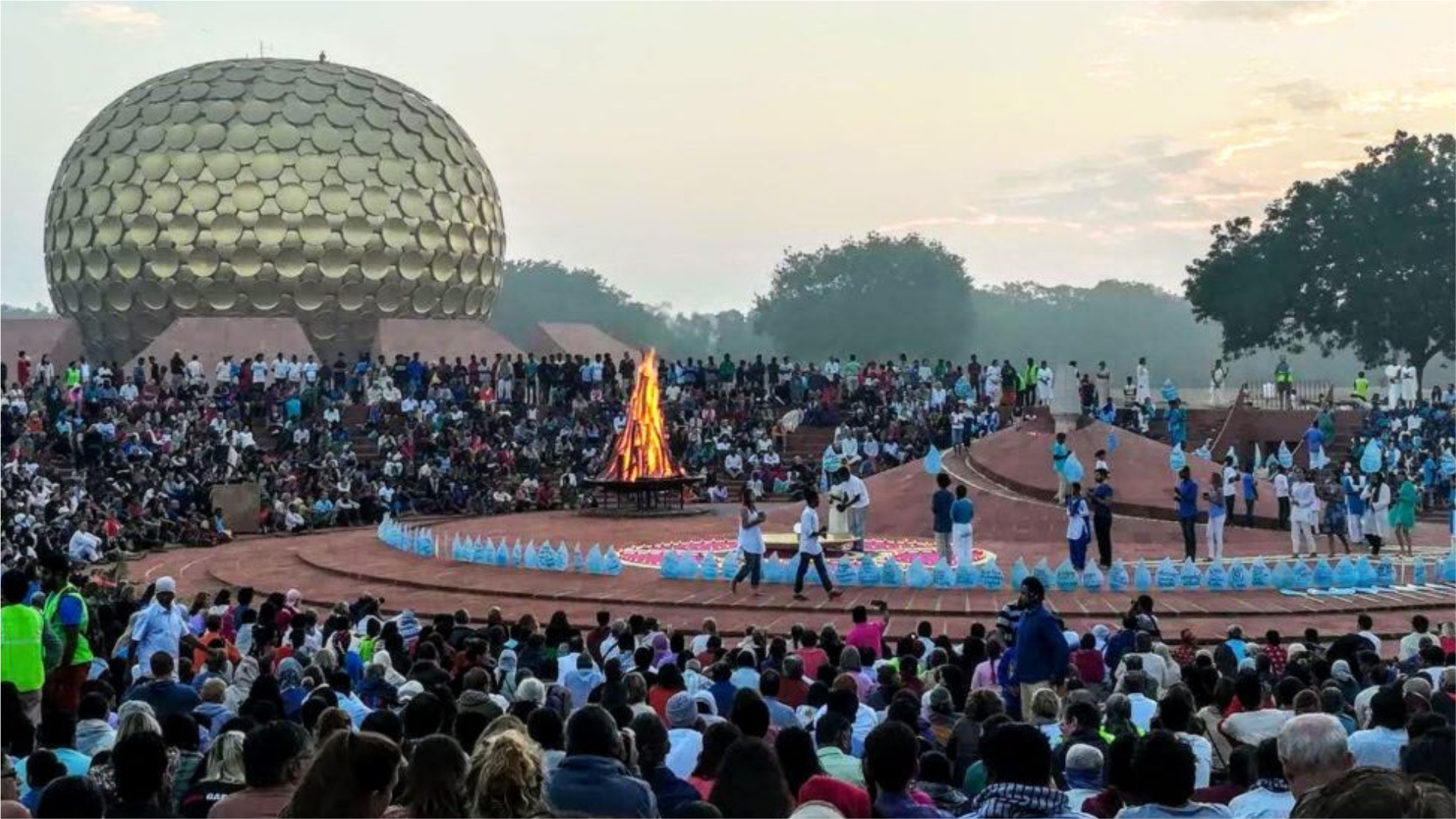
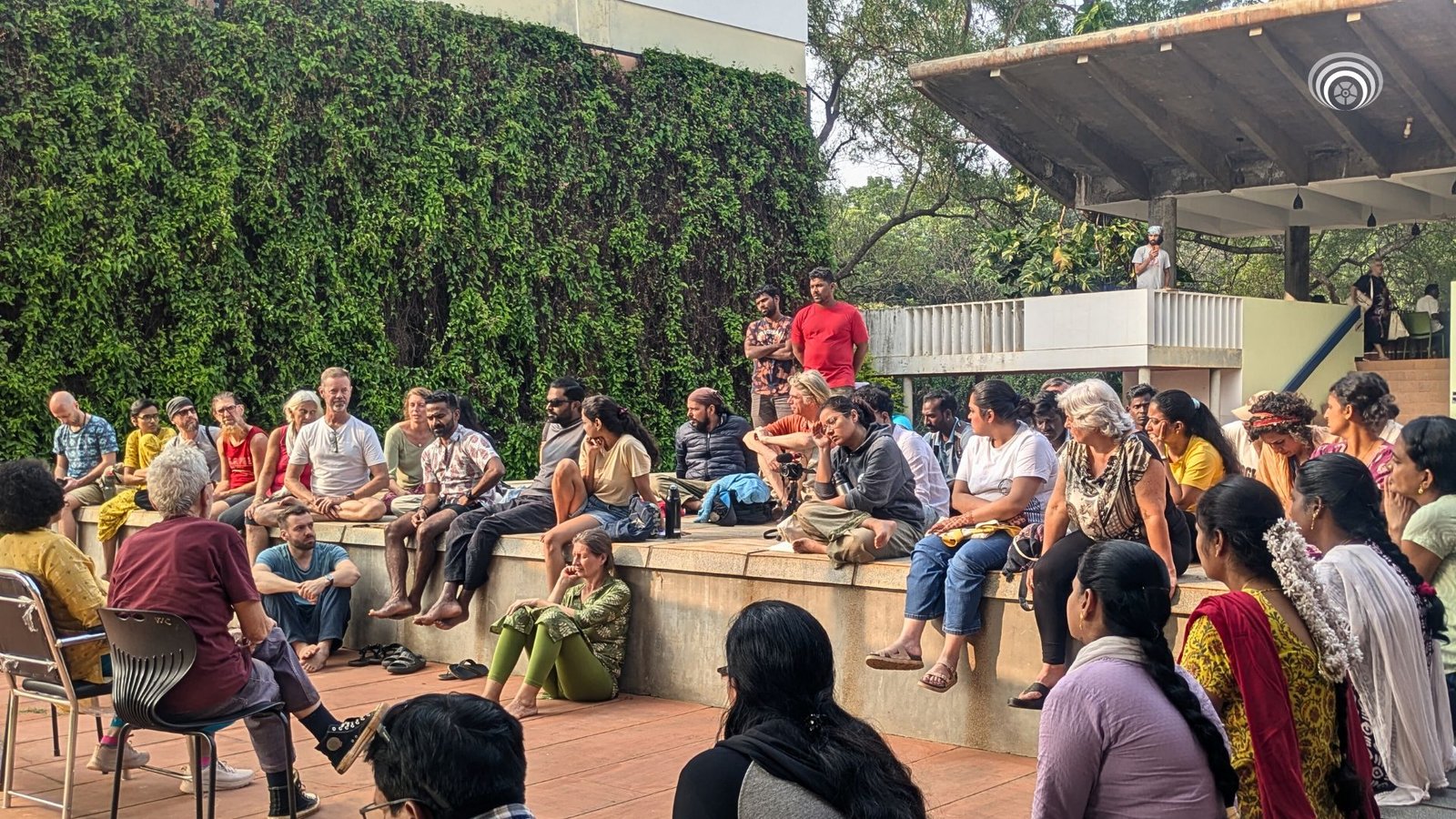
Auroville’s history is not a linear success story. It is a lived experiment marked by vision, friction, resilience, and unresolved tensions. From its early days of collective aspiration to its present complexity, the city has been shaped as much by human limitation as by spiritual intent.
What matters is not preserving a myth of purity, nor indulging in self-criticism for its own sake. What matters is honesty. Auroville exists to learn in public — to hold contradiction without collapse, to endure conflict without abandoning purpose, and to keep asking what the experiment truly demands now.
The story so far is not a verdict. It is a mirror. One that asks whether Auroville can mature beyond nostalgia and factionalism, and step consciously into its next phase — not by denial or reaction, but by responsibility.
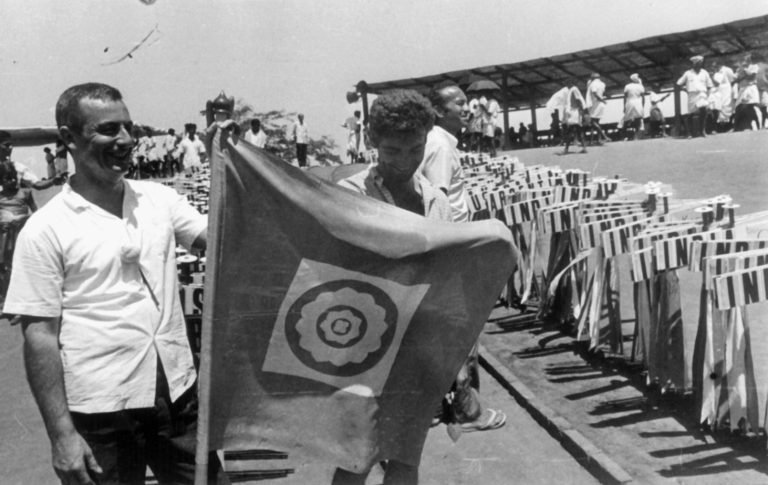
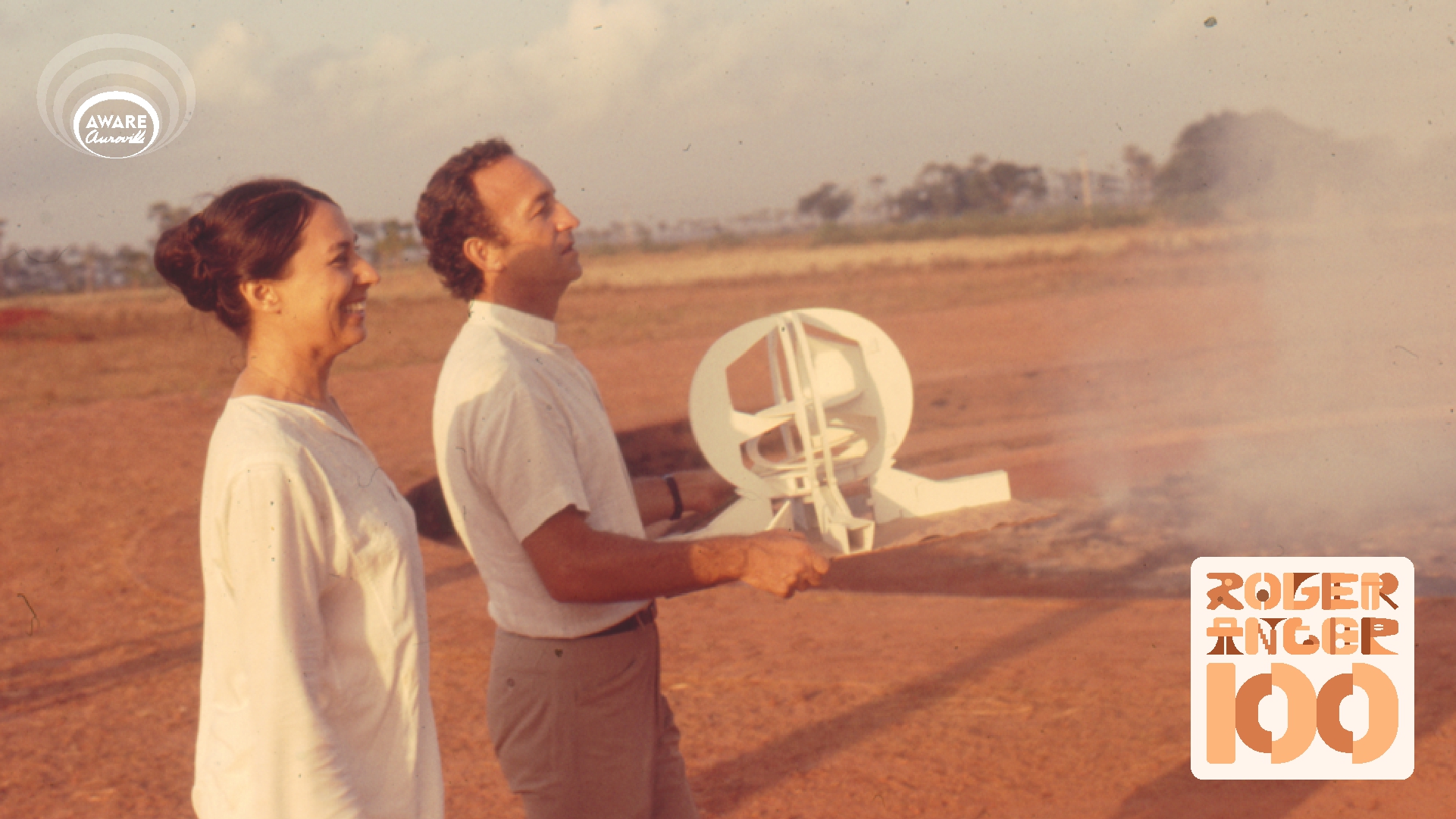
The early decades of Auroville were marked by extraordinary idealism and sacrifice. People arrived with little certainty but deep aspiration, building infrastructure, institutions, and culture from almost nothing. This period gave birth to remarkable experiments in education, ecology, architecture, and collective living.
It also carried confusion. Informality hardened into opacity. Freedom blurred into avoidance of accountability. Power dynamics emerged without clear structures to hold them. Over time, unresolved issues around governance, land, money, and authority accumulated beneath the surface.
The past is neither sacred nor shameful. It is instructive. Auroville’s strength has always been its willingness to experiment; its weakness has been delaying the difficult work of consolidation and clarity.
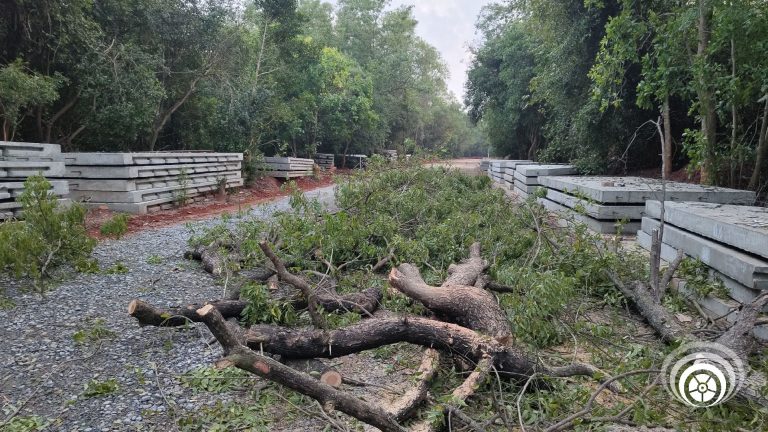
Today, Auroville stands at a point of visible strain. Legal, administrative, ideological, and interpersonal conflicts have surfaced into the open. Long-standing ambiguities around governance, participation, and responsibility can no longer be deferred.
This moment feels like crisis because it disrupts comfort and inherited arrangements. But it is also a calling — a demand to grow up as a collective. The city is being asked to move from personality-driven structures to principled systems, from informal consensus to conscious organisation.
Whether this moment fractures Auroville or refines it depends on one thing: the collective capacity to choose purpose over position, and truth over sentiment.
Auroville’s future will not be secured by preserving the past, nor by reacting against it. It requires a reset — not as destruction, but as re-alignment with first principles. Human unity. Conscious evolution. Service to the future.
This next phase demands clearer structures, ethical coherence, economic responsibility, and a renewed culture of work as yoga. It asks residents to move beyond identity and entitlement, toward stewardship and participation.
The great reset is not imposed from outside. It is an inner and collective choice. Auroville’s relevance to the world depends on whether it can embody its ideals with maturity, courage, and clarity — and offer not perfection, but a living, evolving example.