The Purpose & Vision
Why Auroville exists — and what it is here to serve

Auroville was not conceived as a settlement, a project, or a model to be replicated. It was envisioned as a living field of experiment—where humanity could consciously explore a future beyond division, ownership, and fixed identities. Founded by the Mother on the vision of Sri Aurobindo, Auroville exists to serve human unity and the evolution of consciousness on Earth.
This purpose is neither symbolic nor abstract. It asks for a practical reorganisation of life—how we live, work, learn, govern, and relate to one another. Auroville seeks to bring together the material and the spiritual, not as parallel pursuits but as a single movement of growth. The city is meant to be built alongside the transformation of the human being, each shaping the other.
The vision does not promise comfort or perfection. It calls for sincerity, experimentation, and endurance. Auroville’s purpose remains unfinished by design—because it is not a destination, but a process. A work in progress for those willing to participate in something larger than themselves, in service of a future humanity.
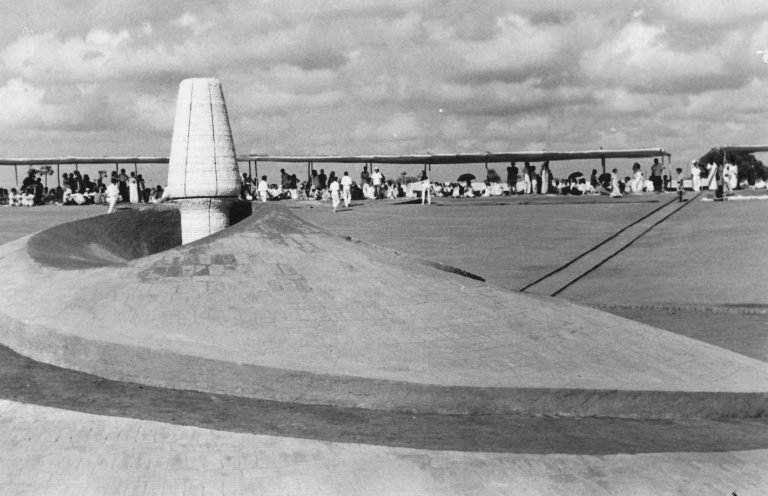
Auroville’s raison d’être is clearly articulated in its Charter: to be a place where humanity can live in unity, beyond nationality, belief, and social division. It exists not for individual fulfillment alone, but as a collective offering—belonging to nobody in particular, and to humanity as a whole.
The city is meant to serve as a laboratory for conscious evolution, where new forms of education, governance, economy, and culture can be tested in lived reality. Its purpose is not to withdraw from the world, but to work for it—quietly, patiently, and without spectacle—by exploring what a more conscious civilisation might look like in practice.
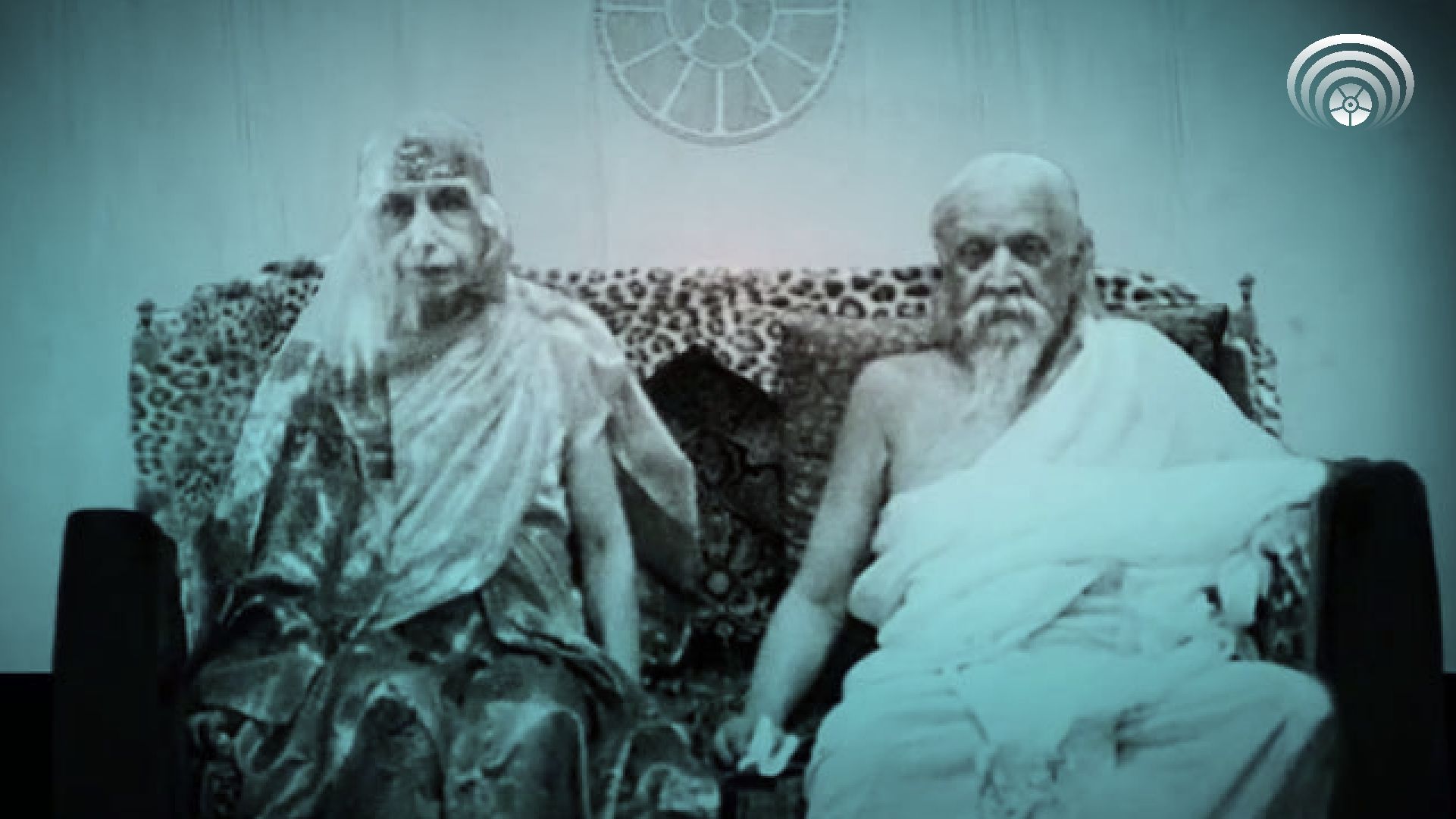
Sri Aurobindo’s philosophy and yoga form the spiritual foundation of Auroville. His work articulates the possibility of an evolutionary leap in human consciousness—where matter itself becomes receptive to higher truth, harmony, and unity. This vision is not escapist; it is radically material, seeking transformation within life itself.
The Mother translated this vision into action. She conceived Auroville as the physical ground where these ideas could be tested collectively. Not as a spiritual enclave, but as a city—open to all, demanding sincerity, and oriented toward the future. Her role was not theoretical; it was organisational, practical, and deeply precise.
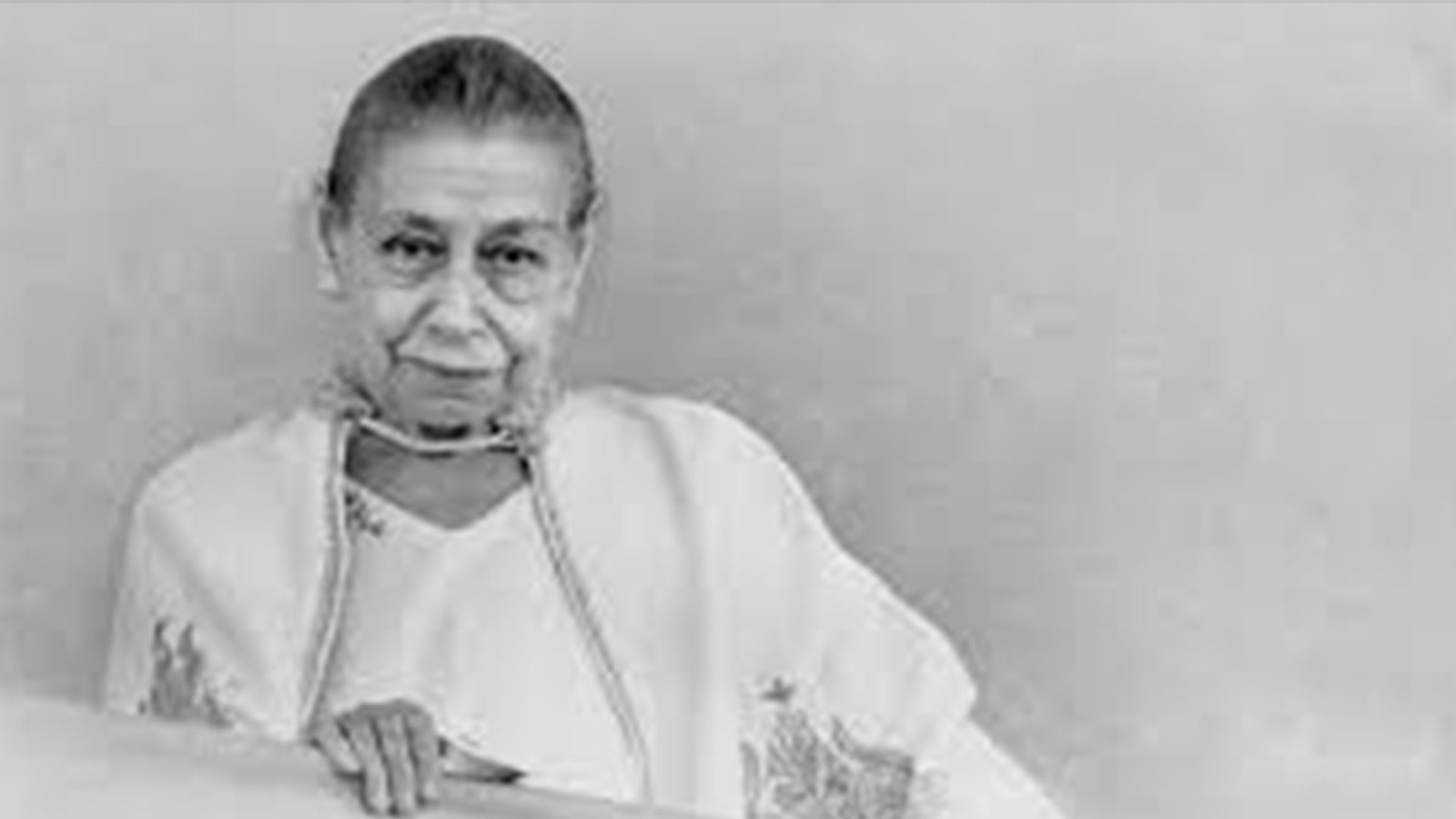
For the Mother, Auroville was not an experiment in idealism, but a necessity for the future of humanity. She described it as a place where people could learn to live according to truth rather than habit, ego, or division. Auroville, in her words, was meant to be a “city of the future,” embodying unity, progress, and a new consciousness in daily life.
She emphasised inner preparation as much as outer form—clarity of intention, self-discipline, and the willingness to change. Auroville was never meant to be finished quickly, nor judged by appearances. It was to grow organically, guided by aspiration, patience, and a collective sincerity aligned with a deeper evolutionary purpose.